Anti-aging: Should you stop when your face turns red?
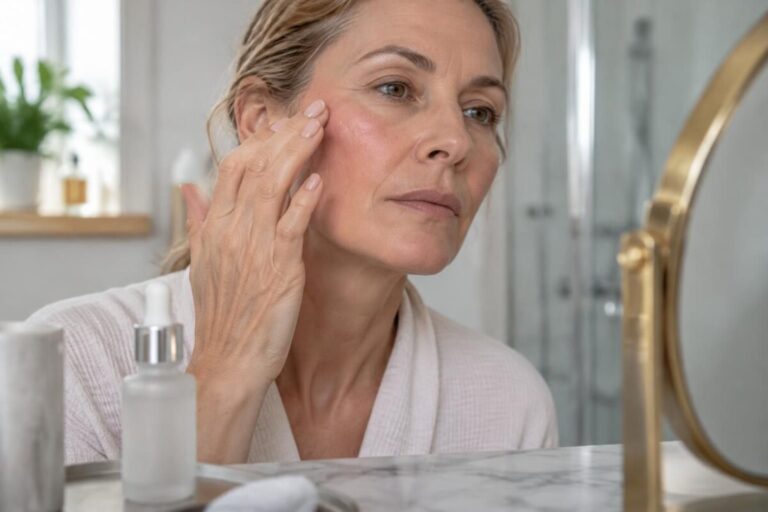
Hi, it’s Aurore. If your face turns red after an anti-aging treatment, pause the suspected active ingredient and stick to a gentle routine: there’s no need to stop all your skincare if you tolerate the other products well. Redness can signal skin irritation, especially after introducing retinol or an exfoliant. The best thing to do is soothe your skin, then resume gradually only once it feels comfortable again. In my article, you’ll find simple steps and guidance on when to seek medical advice.
What to do right away
- Pause the new product or potent active ingredient that seems to be causing the redness.
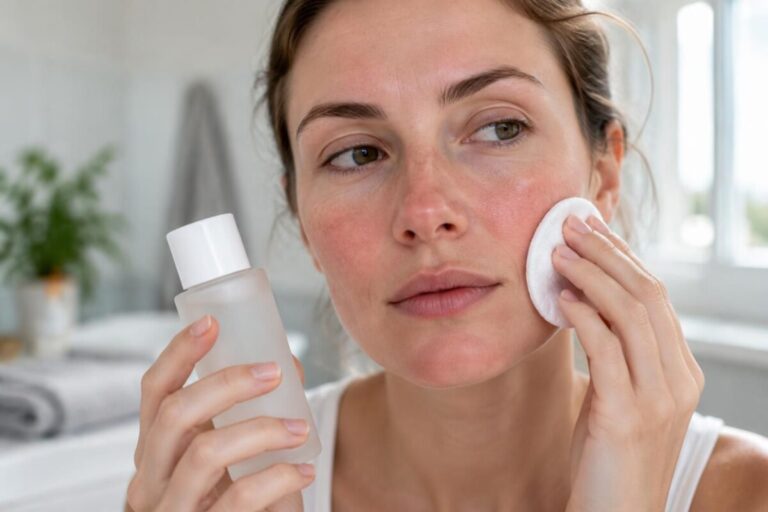
- Wash your face with lukewarm water, without rubbing or using a brush.
- Apply a simple moisturizer, preferably fragrance-free.
- Temporarily avoid scrubs, acids, and retinol.
- Seek medical advice if the redness persists, gets worse, or is accompanied by significant pain.
Red face after an anti-aging treatment: should you stop everything?
Not necessarily. If the redness appeared after using a new product, stop using that product first and simplify your routine for a few days. Skin that feels hot needs fewer irritants, not another layer of active ingredients to “fix” the problem.
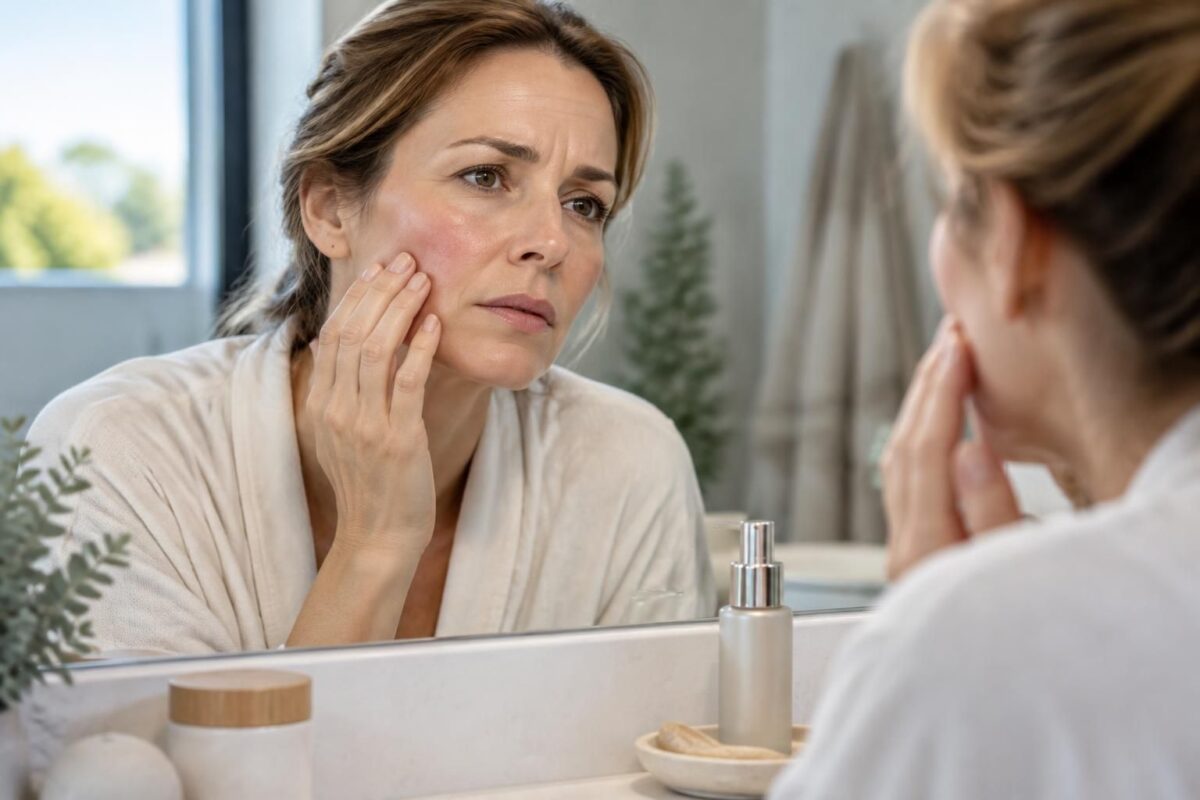
A red face can also react to heat, cold, sun, friction, or emotion. Skin irritation is more likely if your skin stings, feels tight, or becomes dry after applying a product. On the other hand, recurring redness, visible blood vessels, or bumps may warrant dermatological advice.
“When your skin protests, the first step is to reduce what’s stimulating it.” This rule is especially useful with concentrated anti-aging products: using more active ingredients doesn’t necessarily speed up results, but it can weaken the skin barrier.
Facial redness: how to identify the likely cause
| What you notice | Possible cause | First thing to do |
|---|---|---|
| Redness and stinging after using a new serum | Skin reaction or product-related irritation | Stop using the suspected product and return to a simple routine |
| Brief redness after exercising or being in a hot room | Temporary reaction to heat or exertion | Let your face cool down gradually |
| Redness that keeps returning on your cheeks or nose | Reactive skin or a condition such as rosacea | Note the triggers and seek advice if it persists |
| Itchy patches or swelling | Possible allergic reaction | Avoid the product and consult a doctor, especially if symptoms worsen |
Retinol and anti-aging products: when to take a break
Retinol can cause dryness, redness, or peeling, especially if it’s used too often or combined with other irritating active ingredients. If these signs appear, pause its use until your skin has calmed down. Don’t start using it again while your skin is still red or burning.
Once your skin feels better, it may be best to start again gradually: use it infrequently at first, apply a small amount, and don’t combine it with exfoliants right away. Reactions vary depending on the formula and each person’s sensitivity. If the discomfort returns every time you try it, don’t push through it—ask a professional for advice.
A fictional reader, Lina, started using retinol every night at the same time as an exfoliant. After a few days, her cheeks became red and tight; pausing both active ingredients and going back to a simple moisturizer helped her identify which product she tolerated least well.
Two scenarios to help you choose what to do
If the redness appears right after using a new product and decreases when you stop using it, pause that product and observe your skin. If it lasts several days, keeps coming back, or is accompanied by bumps, severe itching, or pain, seek medical advice.
Three steps to soothe red skin
- Step 1: temporarily stop using the suspected active ingredient, scrub, and fragranced products; also avoid very hot water and rubbing.
- Step 2: stick to gentle cleansing, a moisturizer your skin tolerates well, and sunscreen in the morning if you’re going out.
- Step 3: once your skin feels comfortable again, reintroduce products one at a time, using them infrequently. If the redness returns, stop using the product in question and ask for advice.
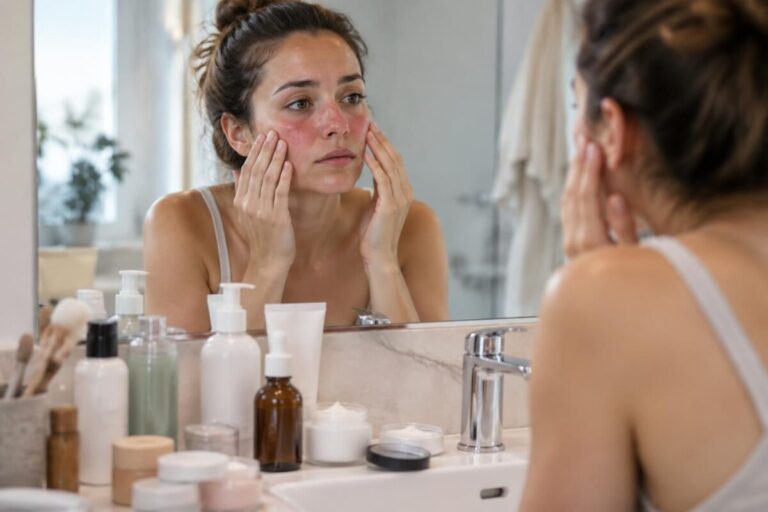
To avoid layering on too many products, you can also read these tips about beauty routines with too many steps. And if you’re looking for a targeted product, this guide can help you choose a face serum that won’t encourage redness.
When facial redness requires medical advice
Brief redness after exertion or overheating often goes away once the trigger has passed. However, consult a doctor if it doesn’t improve, spreads, keeps coming back, or is accompanied by swelling, pain, crusting, or eye symptoms.
Persistent redness isn’t always caused by cosmetics. Sensitive skin can react to several factors, and a skin condition may sometimes require specific treatment. Avoid diagnosing yourself or continuing to use an active ingredient that causes significant discomfort.
Frequently asked questions about anti-aging products and facial redness
Should you stop using all anti-aging products if your face turns red?
No. First pause the suspected product and irritating active ingredients, then keep using the simple products your skin tolerates.
How long should you stop using retinol?
Wait until the redness, stinging, and tightness have gone away before considering gradually starting again. If the reaction is severe or returns, seek medical advice.
Can I apply something cold to redness?
A cool compress may provide comfort for a few minutes. Avoid putting ice directly on your skin, as it may irritate it further.
When should I seek medical advice for facial redness?
Seek medical advice if the redness persists, gets worse, or is accompanied by pain, swelling, significant itching, lesions, or irritated eyes.
Thanks for reading; Aurore